
That's how I see it, like a "knife party", a toxic and dangerous love that you can't get rid of, you know you'll always come back, you'll always fall.
We arrived late, it was almost 10 a.m. when we started walking, some of us with breakfast in hand. Just a few minutes later, our feet were already soaked. We crossed a rather high wooden bridge and continued along the path on the banks of the Guanche River, its tranquil pool always beautiful, eternal, a calm and lovely river.
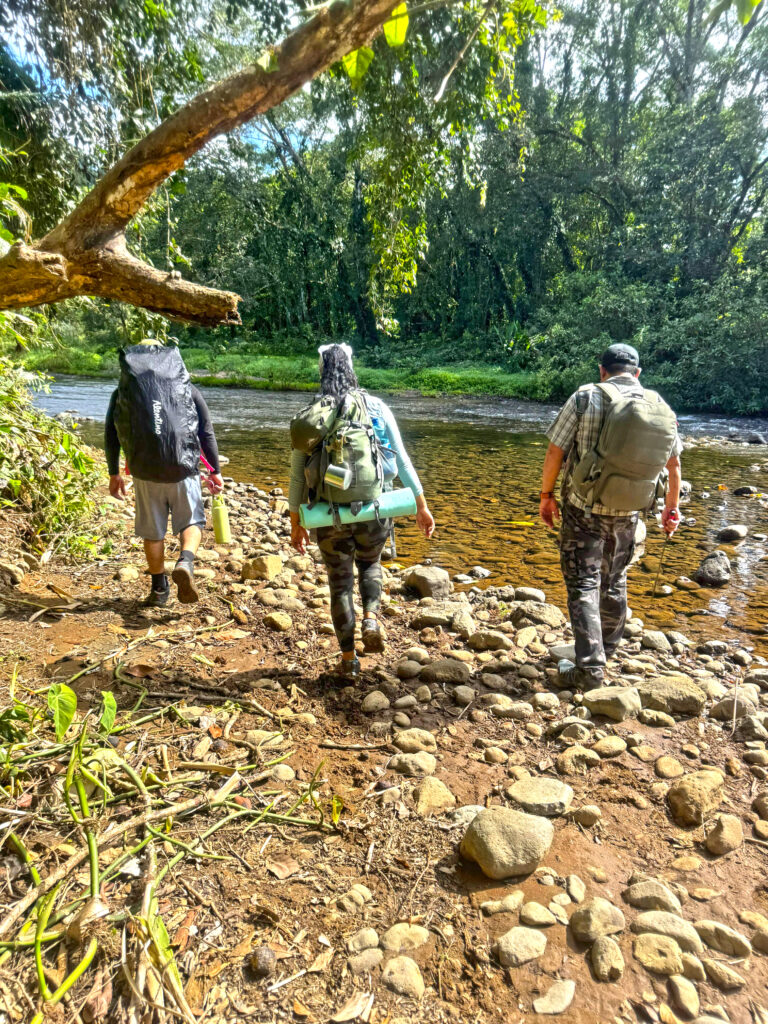
Yellow-rumped Cacique they were squawking, and with them the Oropéndolas. A couple of Fasciated antshrikes they were making sounds of reproduction, without fear, right there next to us.
We crossed the river, and right away, I lost something. Later, Vero lost her cell phone. We walked back to look for it, and it was lying on the side of the path. No one had seen it as we passed by, but there it was. We had forgotten something; we hadn't asked the forest's permission to enter it. If we hadn't, we would have kept losing things.
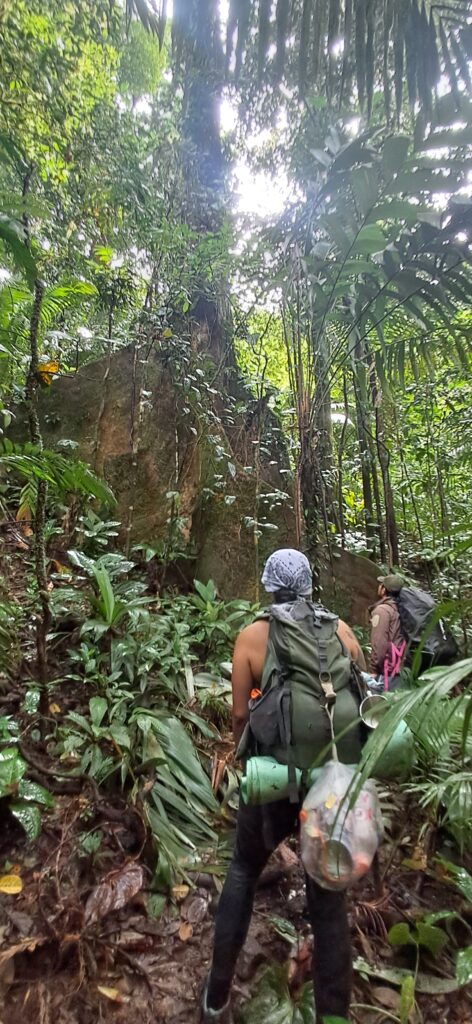
Beside the enormous ceiba tree, with its hanging vines, we swayed on them. We prayed, gave thanks, asked permission, and requested to return safely.
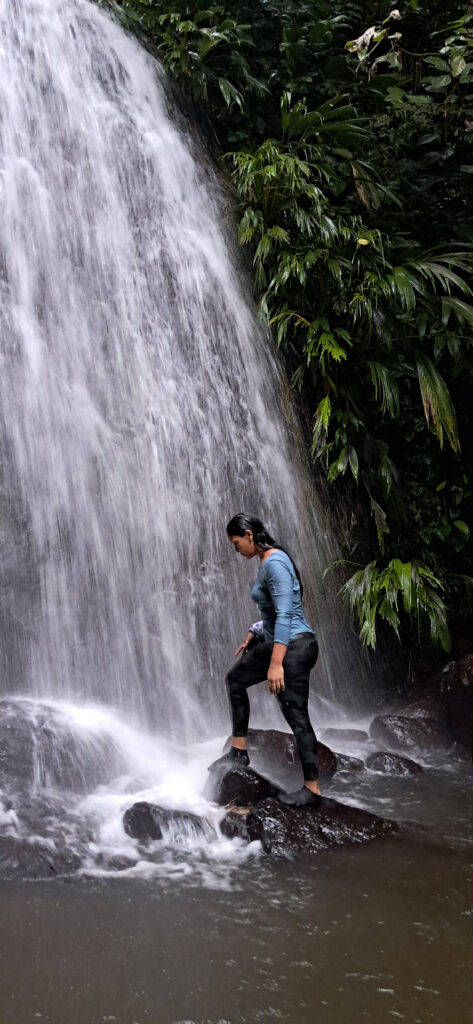
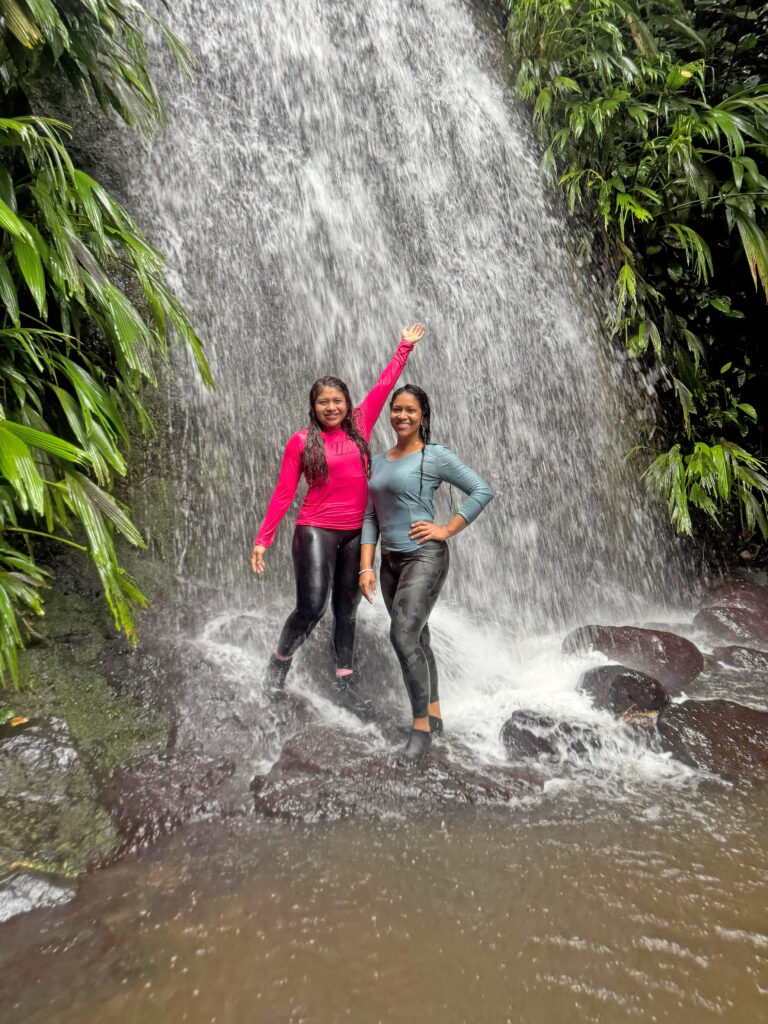
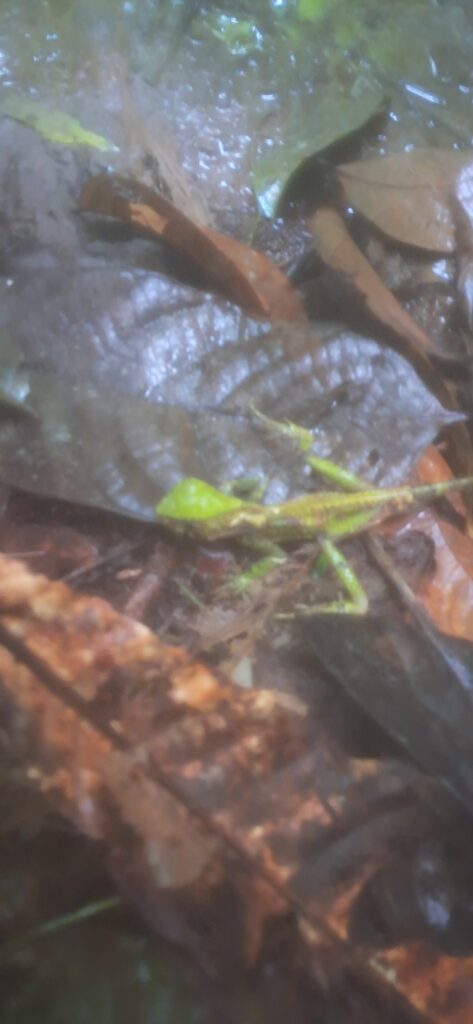
The jungle greeted us with rain. I love walking in the rain; it's a gift from above, it's life. In Panama, biodiversity is enormous, but the population is small. Here in this, my favorite ecosystem, everywhere you look, there is life. Above, the forest canopy catches most of the raindrops that slide down the leaves, wet the reptiles that live among them, and fall along the ant trails.
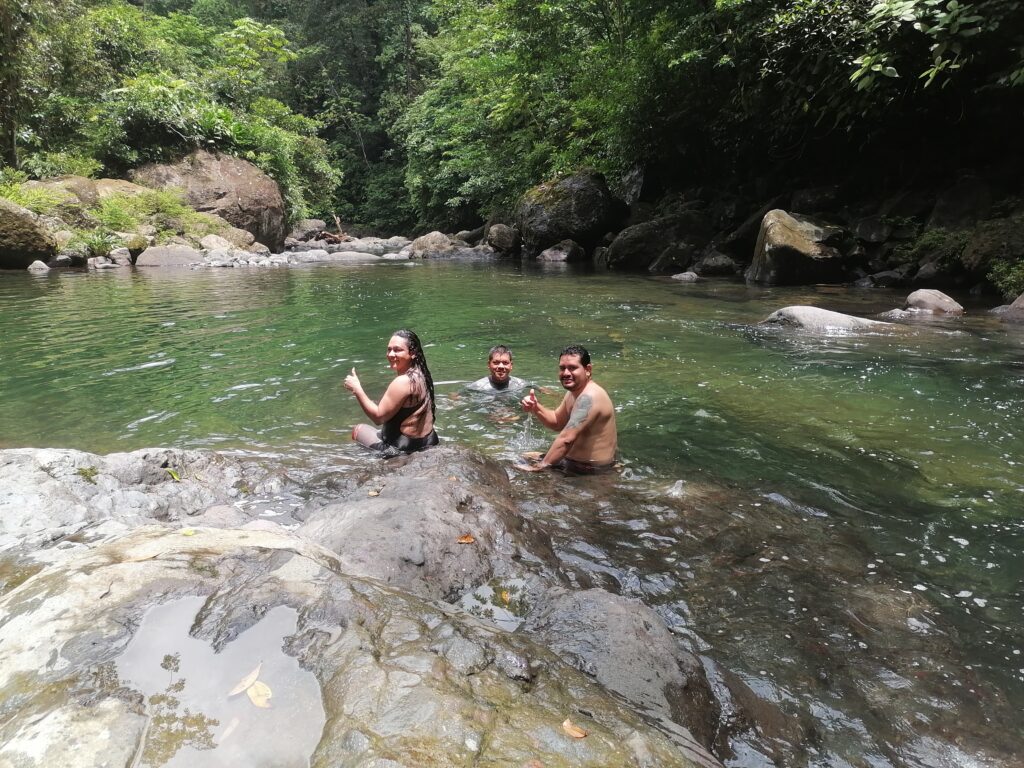
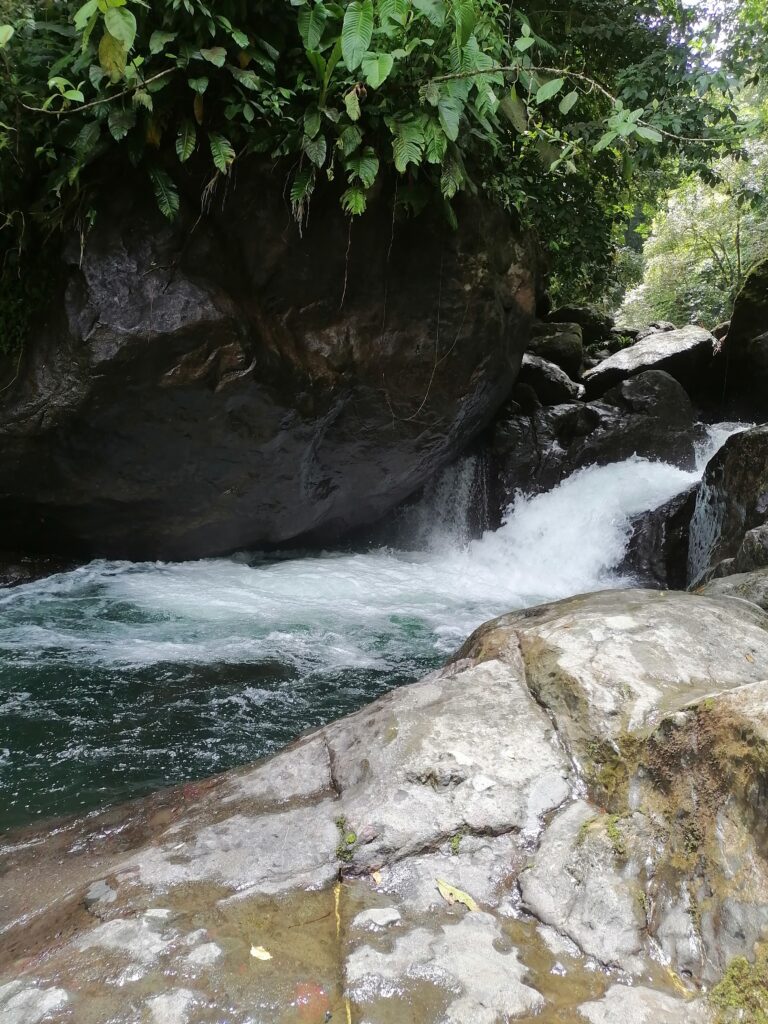
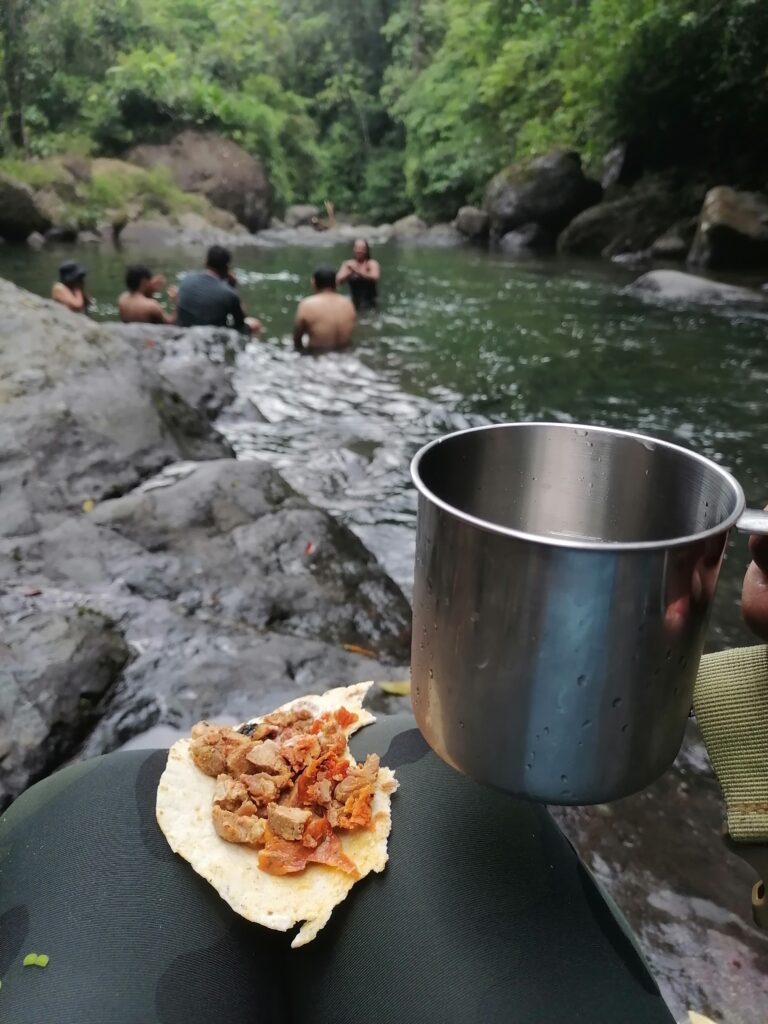
We rested in the ravine and continued along the trail, descended to the river, climbed over the large, extremely slippery rocks, and arrived at the Jaguar Pool, where its tranquility always welcomes the hiker thirsty for adventure.
The pool represents freshness, calm, and contentment. There, one bathes, eats, enjoys oneself, and observes the river and its power. Always looking at the sky, which in the Sierra Llorona remains threatening.
The jungle is not an easy place; it offers no comfortable amenities. There, you experience fear as a positive emotion; it keeps you alert. The adrenaline and tension protect you.
Over the years I learned to manage these emotions in this ecosystem. When my job was to take people to places like this during the rainy season—our peak season—I discovered that the most important thing, besides logistics, is learning to control the panic of those who fear nature.
That panic is natural. Humankind has been estranged from its ancestral power for too long. In the jungle, as in life, fear is an ally; panic, an enemy. The difference between the two can mean clarity or confusion, progress or regression, survival or surrender.
I put on my shoes and it started to rain. I immediately told Vero and Luis, "Let's go." This is where things could get tricky. We have to leave along the riverbank. If the river rises at this point before we've crossed, it becomes really dangerous.
I pauseMy body has changed. I've walked this path so many times, but I've never felt like this before—so full of life. How wonderful it is to walk mindfully, without fatigue, carrying only what's absolutely necessary.
Someone had left a tent tied to a tree, and Luis and Vero picked it up. How could anyone leave something like that lying among the trees? But it would later prove crucial to our camping trip.
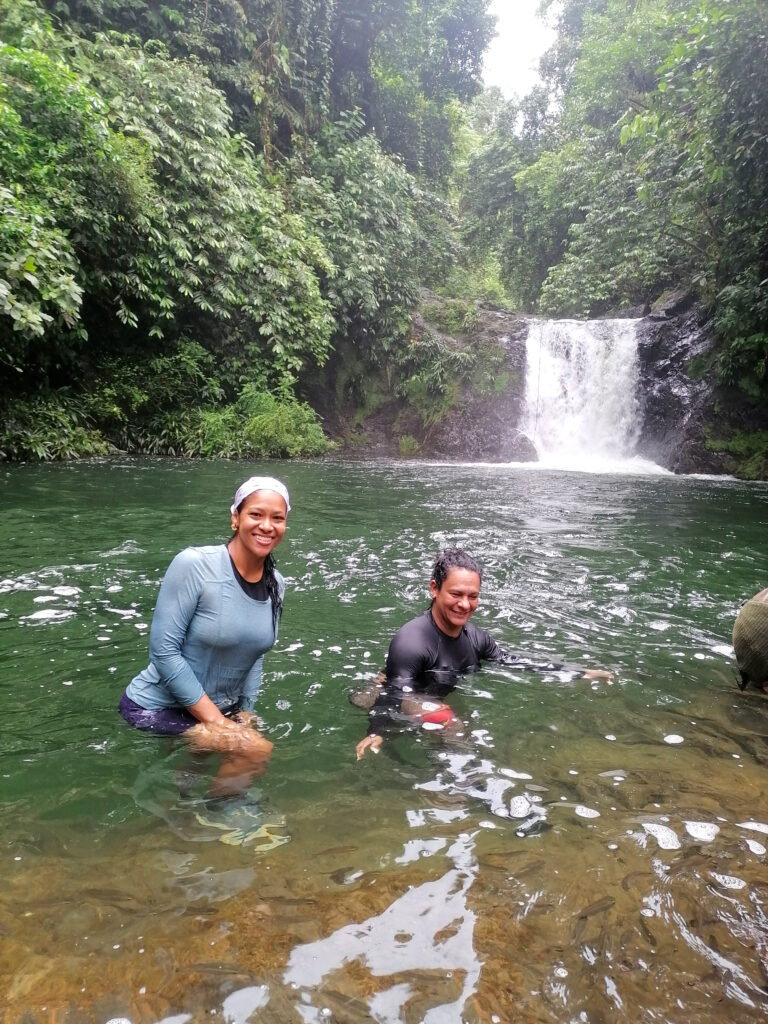
We passed Solange Waterfall, always magical amidst so much green. A unique and unexpected clearing that reminds you how welcoming the forest can be.
At this point it started to rain, and we hurried to the campsite. When we arrived, it was pouring rain. We set up camp, hammocks, ropes, and made space.
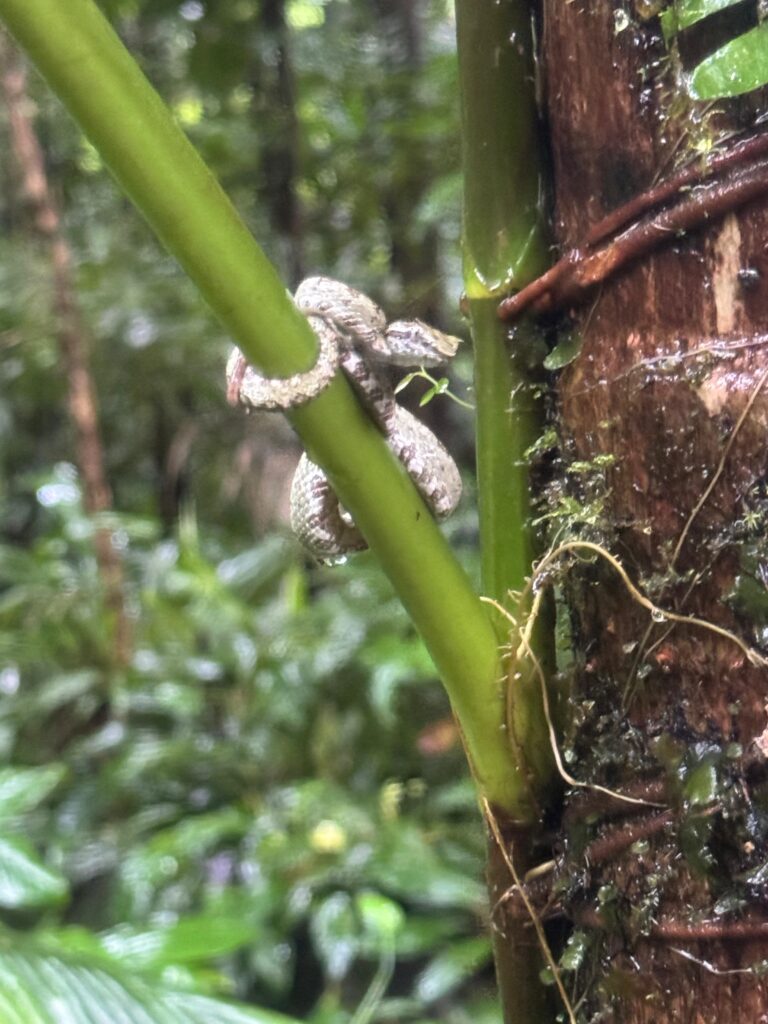
After a while, when one of my companions went to put up the rope to assemble his shelter, an eyelash viper (Bothriechis schlegelii) It was moving among the leaves of the tree, surely waiting for its prey. I climbed onto a rock to identify the species; it was raining at that moment, the humidity was overwhelming, and I, half-blind, couldn't believe we had one. Bothriechis tan cerca. Por supuesto no faltó quien dijera que la matara, varias veces.
Carefully, Luis placed her in a wide-mouthed plastic container, and I relocated her to a bush, far from the campsite. This site has been the only suitable place to camp within these 16 kilometers of jungle since 2003. For sustainability reasons, it will continue to be the only suitable option for hikers. Animals must not be killed. For safety reasons, if there are people with the knowledge and experience, animals can be moved. No animal should be killed or harmed, as this goes against basic ecological principles, and we are within a national park. I repeat, Panama has great biodiversity, but not large populations of any one species.
That day we stayed at the campsite because the river rose and the rain lasted for several hours. We spent our time building shelter, protecting ourselves from the rain, and eating, eating, and eating. No one would believe how much my friends eat; anyone would think you'd come back thinner, but you come back fatter.
Early in the morning we were ready to go up to see the Monkey Falls. My friends woke up at 4am to have breakfast while I was still trying to sleep; I could hear them preparing food.
We walked up the trail and briefly crossed the river because part of the path had collapsed. It was raining at that moment; for me, it's crucial to always do everything well and quickly.
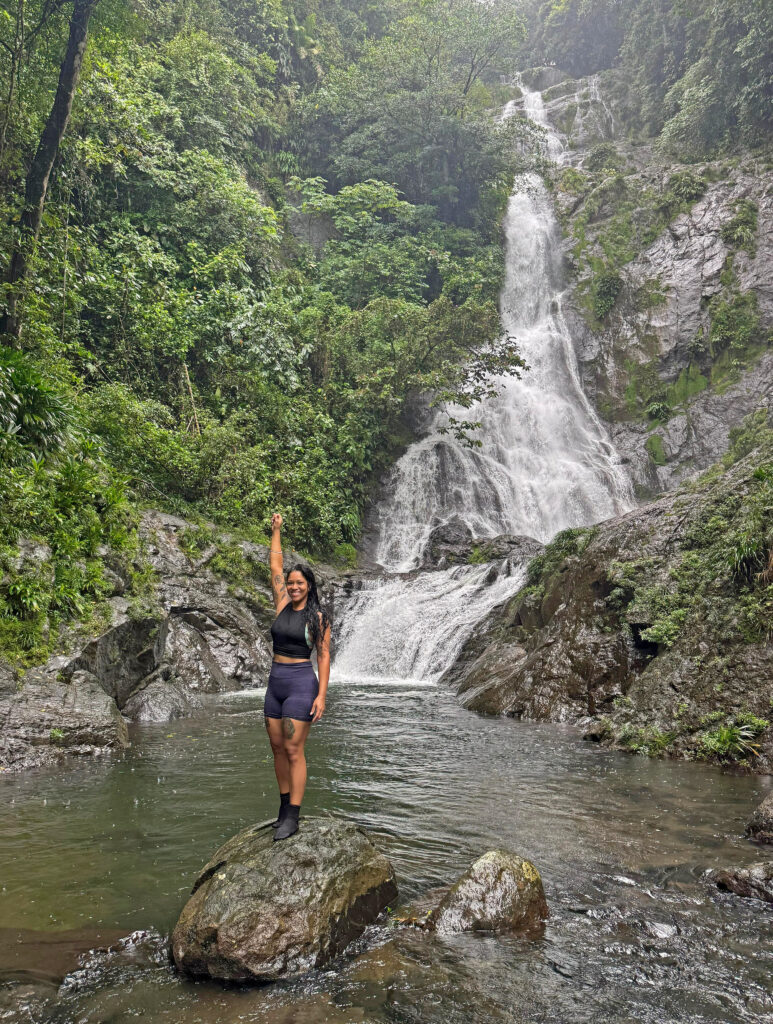
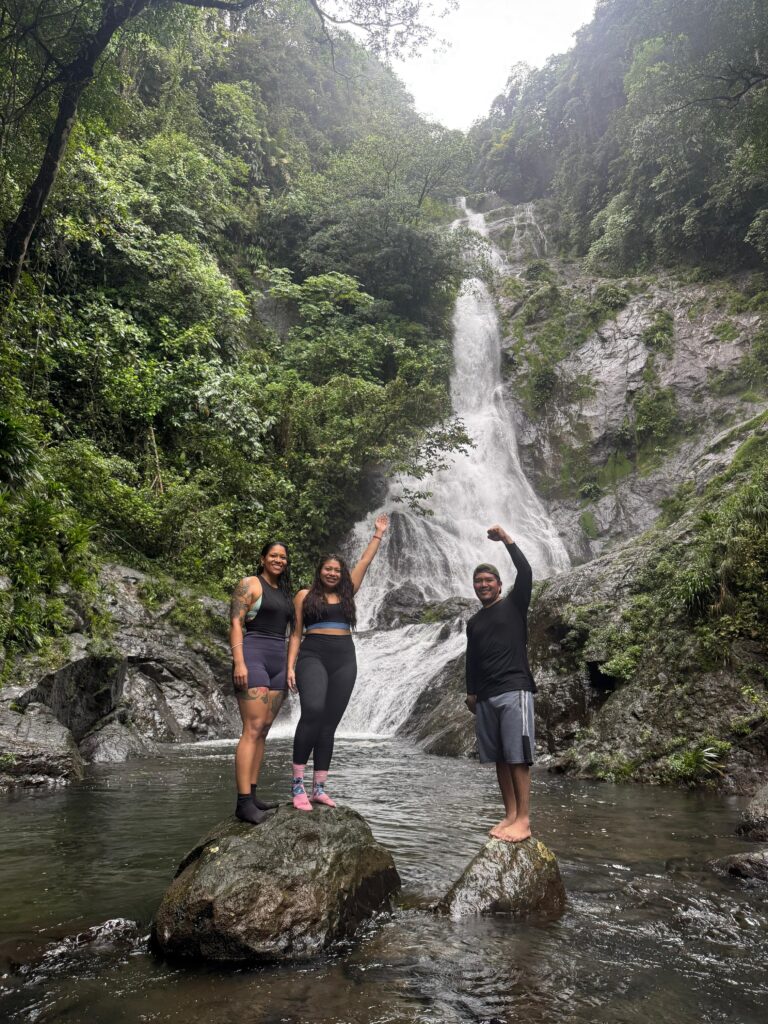
We were the first to arrive at the waterfall. I prayed and gave thanks once again for the generous opportunity that nature and my body have given me to witness this natural wonder. The first moments upon arriving at such a special place are unique; it's a marvelous encounter between its power and my awe.
 English
  Spanish